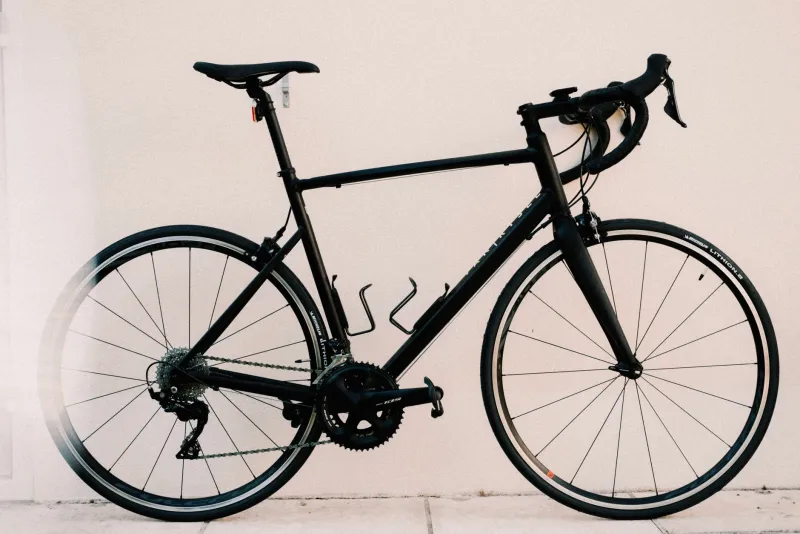
The Two-Lock Habit: Town-Centre Security for a Bike You Actually Like
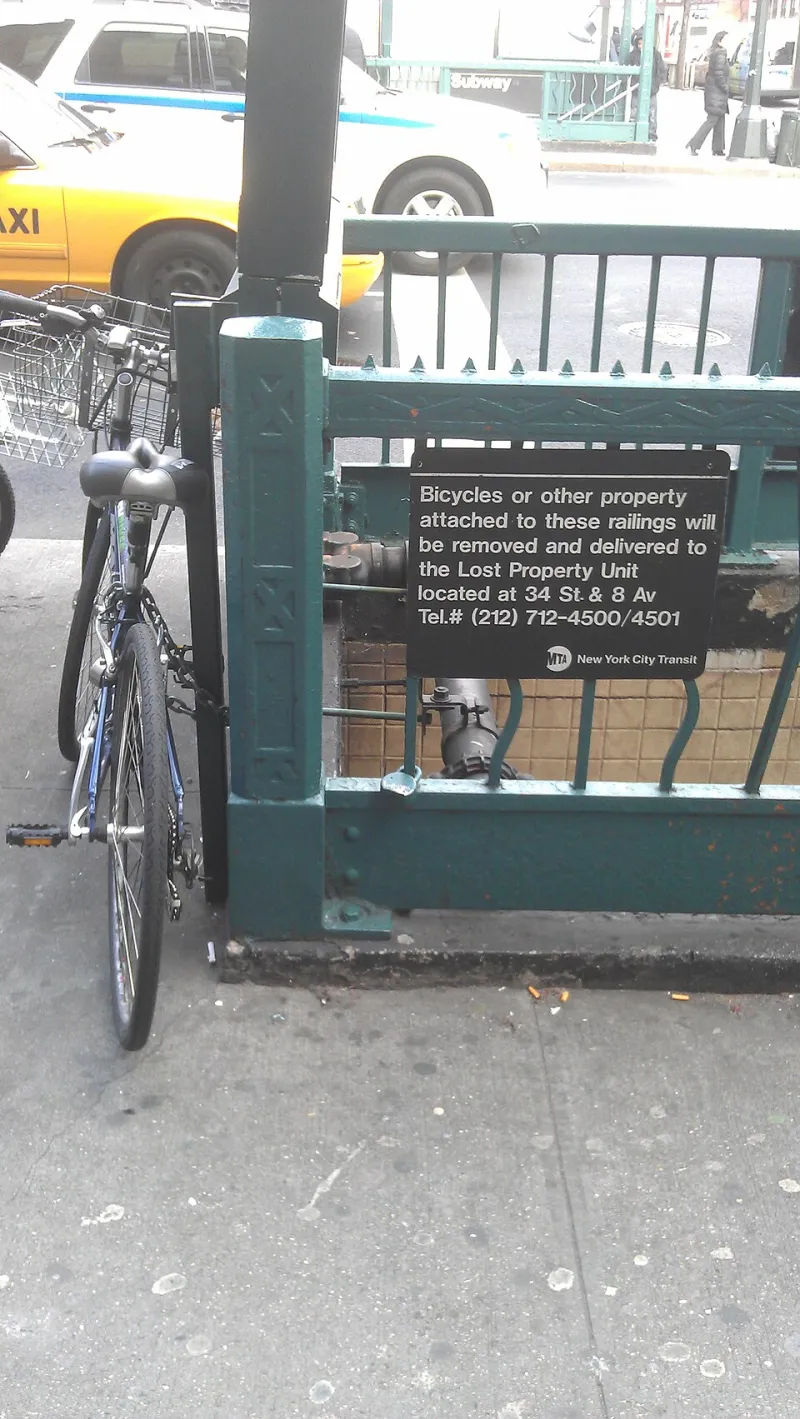
Photo: Unclefester, CC BY-SA 3.0, via Wikimedia Commons
There is a particular sinking feeling that comes from walking back to a rack and seeing a lonely front wheel where your bike used to be. Nobody needs that. A bike you actually like should be usable in town, not just admired in the shed, and the difference between a confident café stop and a miserable walk home is rarely one superhuman lock. It is a routine you will repeat.
At Bee Spoked, we tend to treat security the same way we treat brakes and tyre pressure: not as a heroic upgrade, but as a service item. Check it, practise it, make it boring. That is when it works.
Start with the lock you will actually carry
The best lock in the shop is useless if it stays at home because it weighs as much as a small anvil. A realistic town setup usually means a decent D-lock rated Sold Secure Gold, carried in a frame mount or a small rucksack, plus a secondary cable or chain for the front wheel. If you commute to the same place, buy a second lock and leave it there. Two locks in two places beat one perfect lock in the shed.
Cable locks have their place as a supplement, not as the main event. A thin cable might stop an opportunist, but it will not stop someone with cutters and a plan. In 2026 there are cleverer locks and angle-grinder-resistant designs, but the basic rule has not changed: no lock is invincible. Your job is to make your bike the least appealing one on the rack.
The frame is the point
Lock the frame. Then lock the wheels. A D-lock should go through the frame and rear wheel, around a proper stand, with the lock body where it cannot be easily attacked. A cable can then loop through the front wheel and back to the D-lock. If you only lock a wheel, you have donated a bike and kept a wheel-shaped souvenir.
Check what you are locking to as carefully as you check the lock itself. Signposts can lift out. Loose railings can be unbolted. Some decorative stands are bolted down with fittings that are easier to remove than your lock. Give the rack a nudge. If it moves, find another one. Quick-release wheels are a standing invitation, so consider security skewers if your bike lives in town. And take the lights, computer and anything else that unscrews with you. A good bike stripped of its easy bits is less tempting and less expensive to replace.
Racks, rails and the routines that give you away
The best rack is not always the nearest one. Look for busy, overlooked, well-lit places where people are coming and going. A rack behind a building, down a dim underpass or tucked out of sight at the back of a station is a gift to anyone who wants five quiet minutes with a bolt cutter. If the proper rack is full, do not improvise on a fence or a shop sign. Walk a little further.
Routine matters too. Locking in the same obvious way every day is fine if the lock is good, but leaving a desirable bike in the same quiet spot for hours on end is not. If you can use a secure cycle hub, a workplace store or a locked compound, do. If you cannot, use two locks and choose the spot with the most eyes on it. The goal is not paranoia. It is inconvenience for the wrong person.
Café stops versus all-day parking
A quick café stop is still a stop. Lock the bike, even for five minutes, and sit where you can see it if possible. Use the D-lock through the frame and rear wheel, loop the front wheel if you have the cable, and take your lights and computer inside. It feels fussy the first time. By the third time it is just what you do, like putting on a helmet.
All-day parking needs a different level of seriousness. If you are leaving a good bike at a station, a shopping centre or a campus, assume it will be looked at. Use the most secure rack available, add both locks, remove accessories and consider a saddle leash or security bolt if your saddle is worth pinching. If the bike is genuinely precious and the car park is genuinely grim, a cheap town hack bike may be the smarter choice. That is not defeat. It is good workshop logic.
Photograph it like you mean it
Insurance claims go more smoothly when you have done the boring homework before anything goes missing. Photograph the whole bike from both sides. Photograph the frame number. Keep the receipt and any build records. Take a close-up of the lock and a photo of the bike locked at its usual rack. Store the images in the cloud, not just on the phone that might be in your pocket when you need them.
Register the frame with a recognised scheme such as BikeRegister, and note any distinguishing marks: a scratch, a sticker, a non-standard part. If the worst happens, report it to the police and get a crime reference number. Then ring your insurer. Check whether your bike is covered by home contents or whether you need cycle-specific cover. The time to discover that your policy excludes bikes left at train stations is not the day after you left one there.
Small habits, less obvious target
A good bike does not have to look like a bait bike. Remove the easy accessories. Use a rack and mudguards if you like them; practical bikes are still worth stealing, but they are less flashy than a race bike with deep-section wheels. Vary where you park if you can. Lock consistently. Carry a spare key. And practise the whole routine at home once, so you are not inventing it in the rain outside a supermarket.
Security is part of the build, not an afterthought. At a community workshop night, it is a good five-minute demo: show someone how to lock frame and wheels, check a rack, and photograph a frame number. Good bikes belong in town. With a sensible lock, a second cable and a routine that does not depend on luck, they can stay there.