The Festive Twenty: Giving New Kit a Proper Once-Over Before the First Cold Ride
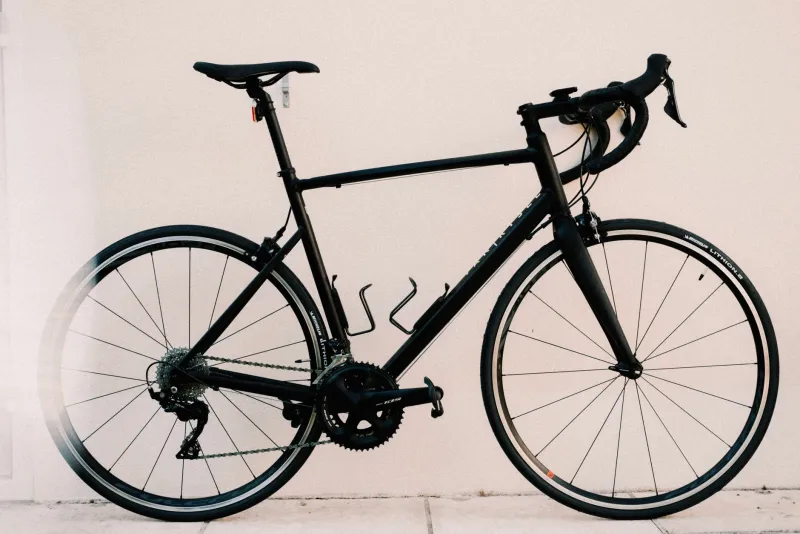
There is a particular kind of optimism in a new bike leaning against the shed in late December. It is usually matched by a particular kind of weather: damp, dark, and full of the sort of grit that finds every fresh bearing surface. The festive period is when a lot of us get new kit, and when a lot of new riders get their first proper bike. Both deserve better than a hurried lap of the block before the mince pies go out.
This is not a full service. Think of it as the festive twenty: a short, deliberate once-over that catches the things most likely to spoil a first cold ride. It is the sort of job that suits a quiet afternoon, a mug of tea within reach, and no pretence that you are rebuilding a bottom bracket. Twenty minutes, a few tools, and a bit of patience.
Start With the Tyres, Because They Set the Tone
Press both tyres properly with a gauge if you have one, or a firm thumb if you do not. New bikes and new tubes often arrive softer than expected, and cold weather does them no favours. Check the sidewall for the recommended pressure, then aim for the lower end if the rider is light or the lanes are wet. Grip matters more than the sensation of speed on a greasy December morning.
While you are down there, spin each wheel and look for a wobble, a rubbing brake block, or a tyre that has not seated evenly. A new tyre can sit slightly off the bead, especially after being boxed or folded. A quick deflate, reseat and reinflate often sorts it. Also check the quick releases or thru-axles are properly closed. This is the sort of basic thing that gets forgotten when the conversation turns to what colour bar tape to fit.
Brakes: Listen Before You Adjust
Squeeze each brake lever firmly. The lever should feel solid, not spongy, and it should not pull back to the bar. On rim brakes, look at the pads: are they hitting the rim squarely, or is one side rubbing? On discs, spin the wheel and listen for that telltale shush-shush of a rotor that is out of line. A tiny rub might disappear after a few hard stops, but a persistent one needs the caliper aligning or the rotor checking for trueness.
If the bike has cables, check the ferrules and ends are seated. If it has hydraulic discs, do not go hunting for a bleed kit unless the lever really is soft. New hydraulics can feel different from what a rider expects, but a lever that sinks is not a personality quirk. It is a job for someone with the right kit, or a good local shop.
The Cockpit Is Where New Riders Notice Everything
Controls are the most personal part of a bike and the most commonly left where the factory put them. Check that the saddle height is in the right ballpark: a new rider should be able to touch the ground with their toes while staying in the saddle, and should not be rocking their hips to reach the pedals. It is not a bike fit, but it is a decent starting point.
Then look at the bars. Are the brake levers reachable without stretching? Are the shifters angled so the wrists are not cocked at an odd angle? On flat bars, the grips should be tight and the bar ends plugged. On drop bars, check the tape has not started to peel at the bends. Give the stem and headset a quick check by holding the front brake and rocking the bike forwards and backwards. Any clunk is worth investigating before it becomes a rattle.
Bolts, Bottle Cages and the Small Stuff
New bikes are assembled by humans, and humans are sometimes in a hurry. Run a multitool over the stem bolts, seatpost clamp, saddle rails, bottle cage bolts and any rack or mudguard mounts. You do not need to hang off them. Just make sure nothing is finger-loose. If you have a torque wrench, use the values printed on the components. If you do not, snug is the word, not gorilla-tight.
This is also the moment to check anything that was fitted in a hurry: lights, bells, mudguards, a lock bracket. A rear light that wobbles itself loose on a frosty lane is no help at all. Zip ties should be trimmed neatly, and any cables rubbing on a frame should get a patch of heli-tape or a clear sticker. It is fiddly work, but it is the difference between a bike that feels sorted and one that feels like a collection of parts.
Drivetrain and Contact Points
Spin the cranks and run the chain through the gears. A new chain often has a little factory grease on it, which is fine, but it should not be dry or gritty. Check the chain is not rubbing the front mech cage, and that the rear mech is not skipping into the spokes. If the gears hesitate, a quarter-turn on the barrel adjuster may be all it needs. If they are wildly out, leave it for a proper check rather than chasing it in the cold.
Give the pedals a spin. They should turn smoothly and not have play. Check the saddle is straight and the clamp is tight. If the bike has new gloves or shoes attached to the rider rather than the machine, make sure the gloves are not so bulky that they make braking a guess. Warm hands are good. Warm hands that cannot find the brake lever are not.
A Word for First-Time Riders
If you are helping someone who is new to riding, resist the urge to turn this into a lecture on cadence and tyre compounds. The aim is confidence. Let them watch you check the brakes and tyres. Show them how the quick release works. Point out where the valve is and how to use a mini pump. Make sure they know which lever does what, and that they can put a foot down comfortably when they stop.
A first winter ride should feel like an invitation, not an exam. The festive twenty is there to remove the small doubts: the soft tyre, the rubbing brake, the loose bottle cage, the saddle pointing slightly skywards. Those are the things that make a new rider think they have bought the wrong bike, when actually they just need a quiet ten minutes in the shed.
The Ride Is the Reward
Once the check is done, take the bike out for five minutes on the road. Listen for noises, feel for anything loose, and test the brakes somewhere safe. Then park it, wipe the worst of the grit off the chain, and put the kettle on. New kit does not need to be fussed over. It needs to be checked, adjusted, and then used. The festive twenty is a small ritual, but it is the one that gets a new bike, and a new rider, off to a much better start.