No One Is Trying to Drop You: A First-Timer's Field Guide to the Club Run
Photo: Chris Talbot, CC BY-SA 2.0, via Wikimedia Commons
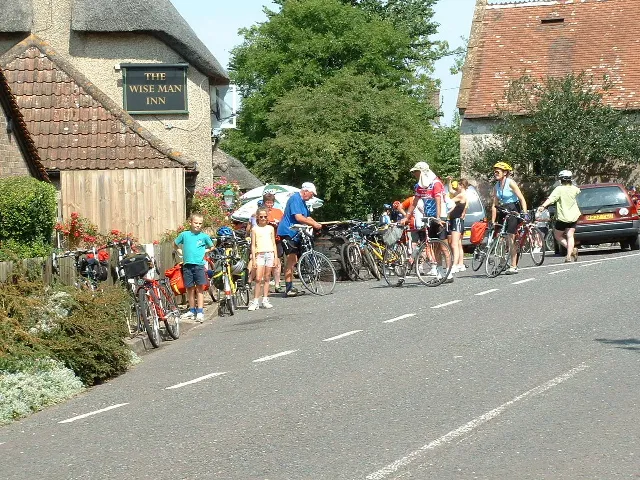
Your first club run feels like a secret exam with mudguards. Everyone knows where they are going, everyone knows the hand signals, and nobody has told you whether you are allowed to sit on the front or bring a saddlebag. Take a breath. Most club runs are friendly, steady and far more welcoming than they look from the outside. The trick is choosing the right one and knowing the handful of habits that make the whole thing work.
Choose the group that matches the riding you actually do
Club websites often list three or four groups, from a social pace to a training ride that might as well be a chaingang. Be honest with yourself. If you have been riding 25 miles on your own, do not join the group advertised as 18mph average over 60 miles. You will not have fun, and neither will they.
Ask three questions before you turn up: what is the average speed, what is the distance, and is it a drop or no-drop ride? A no-drop run will regroup at junctions and the top of climbs. A drop ride may not. In 2026, plenty of clubs run a dedicated introductory ride once a month, which is often the best possible first step. If they do, take it.
What to bring, and what to leave at home
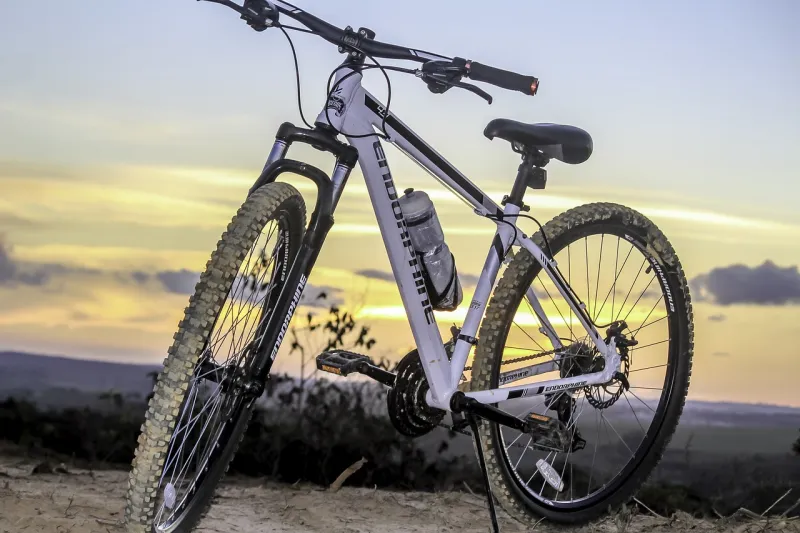
Bring a bike that fits and is mechanically sound. Check your brakes, tyres and gears the day before, not in the car park. Bring a helmet, gloves and glasses. Bring two spare tubes, tyre levers, a pump or CO2, a multi-tool, a quick link and a phone. Bring cash or a card for the cafe, a bottle, some food and lights if there is any chance of finishing late.
In winter, mudguards are not optional on most club runs. They are a courtesy. A rider without them sprays the person behind for three hours, and nobody thanks you for that. Leave at home the brand-new untested kit, the ego, and any plan to prove yourself on the first hill. You can bring a sense of humour. It helps.
The first ten minutes tell you most of what you need
Ride predictably. Hold your line. Do not brake suddenly, do not swerve around a pothole without checking behind, and do not overlap your front wheel with the rear wheel of the rider in front. Point out holes and debris if you are near the front. Call out stops and turns. If you are unsure, say so. Most riders would rather hear 'I'm new, I'll sit at the back' than watch you guess.
Sitting in the wheels is the whole point of a bunch ride. It saves energy and keeps the group tight. Do not half-wheel the rider next to you, and do not surge when it is your turn on the front. Keep the pace steady. If you are on the front and the group is stretching, ease off rather than accelerate.
The unwritten rules that keep everyone together
Regroup at junctions. Wait at the top of climbs. Do not attack through the cafe stop. If someone has a mechanical, stop or slow down. If you are leaving the ride early, tell someone. These are not formal rules, but they are the reason a club run stays a club run rather than a scattered time trial.
There is also a mudguard etiquette, a cafe etiquette and a conversation etiquette. Do not touch another rider's bike without asking. Do not launch into a sprint for the village sign on a social ride unless everyone knows it is on. And if you are the new rider, introduce yourself at the start. You will forget half the names, but nobody minds.
A first-ride checklist
- Bike checked: brakes, tyres, gears, chain.
- Route or club contact saved on your phone.
- Two tubes, levers, pump, multi-tool, quick link.
- Food, bottle, cash or card, lights.
- Mudguards in winter, waterproof layer, warm gloves.
- Emergency contact and a plan for getting home.
- A honest idea of your pace and distance.
- A willingness to ask questions.
If you are a club, make the welcome real
Publish the pace and the no-drop policy clearly. Put a named contact on the website. Run a buddy system so a new rider is not left guessing at the back. Brief the group before the start: route, pace, cafe stop, regrouping points. And please do not sprint for every hill on an introductory ride. New riders remember how you made them feel far longer than they remember the average speed.
The bit nobody tells you
You will probably be tired at the end. You may be the slowest up one climb. You may get dropped for a mile before the group waits. It happens. The point of a club run is not to prove you belong. It is to ride with people, learn the rhythm of a bunch, and find the cafe stop you will come back to.
No one gets dropped on purpose. If a gap opens, shout. If you are struggling, say. If you are at the back, someone will usually drop back with you. The first ride is the hardest. The second is easier. By the third, you will be the one pointing out potholes and telling the new rider that no one is trying to drop them.