Built, Not Bolted: What a Proper Wheelbuild Actually Buys You
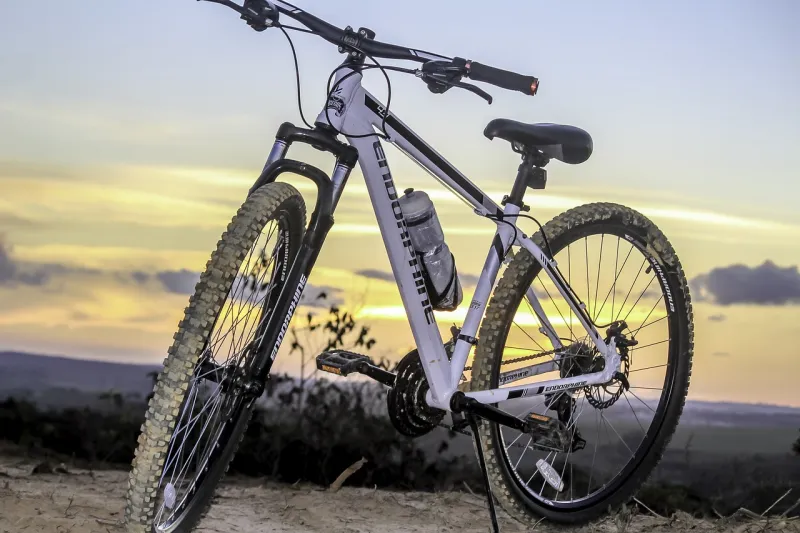
Photo: bicycle wheelbuilding workshop spoke tension truing stand UK, via cdn.pixabay.com
Factory wheels are not the enemy. Plenty of them are true, tough and perfectly decent. But there is a real difference between a wheel that has been assembled and a wheel that has been built, and once you have ridden a properly built set on gritted winter lanes, you notice it. Not because hand-built wheels are magic. Because they are finished.
The difference is in the last ten per cent
A machine can lace a wheel quickly. It can get the spokes in the right places and bring the whole thing up to something that looks like tension. What it cannot do is make the same judgements a wheelbuilder makes at the bench. A good builder balances tension around the wheel, beds the spoke elbows into the hub flanges, stress-relieves the spokes so they do not ping loose on the first rough descent, and corrects the spoke line so the nipples are not fighting the rim.
That is not sorcery. It is labour, experience and a tension meter. The result is a wheel that holds its truth for longer, especially when it is being hammered through potholes and wet grit. A factory wheel can be perfectly fine. A hand-built wheel is usually more thoroughly finished, and that finishing is what you feel.
Why British lanes make the case for you
Our roads are not kind to wheels. We have broken tarmac, sunken drains, flinty back lanes, hedge clippings, salt and the sort of potholes that seem to appear overnight after a frost. A wheel that has been built with even tension and proper stress relief is less likely to go slack or develop a wobble when it meets that lot.
The other argument is repairability. A good hand-built wheel generally uses standard spokes, standard nipples and a hub with serviceable bearings. When something goes wrong in three years, your local shop can order a spoke rather than hunt down a proprietary part that was discontinued two seasons ago. That matters for commuters, audax riders, tourers and anyone who would rather repair than replace.
Rim, hub, spokes: where the money should go
For most UK riders, the sensible hand-built wheel is not the lightest one. It is a tough alloy rim, a hub with proper seals and standard bearings, and double-butted spokes. In 2026, disc brakes are the default on most new bikes, so make sure the builder is working with the right hub standards and rotor fitment from the start.
Do not chase weight for its own sake. A slightly heavier rim that survives a Cheshire lane in February is worth more than a featherweight hoop that needs truing every month. Ask about rim availability, too. A builder who can still source replacement rims for your hubs is giving you a wheel with a future.
What to ask a wheelbuilder before you pay
A good builder will welcome these questions. A vague answer is a warning sign.
- What tension are you building to, and how do you measure it?
- Do you stress-relieve the wheel, and how?
- What spoke type and length are you using, and are they easy to source?
- Do you keep a build sheet with tensions and parts?
- What is your aftercare policy for retensioning and truing?
- Will you check the wheel after a few hundred miles?
You are not being difficult. You are buying a service, not just a product. The best builders will talk you through rim choice, spoke count and hub servicing in plain language, and they will tell you when a cheaper option is genuinely the right one.
When it is worth the money in 2026
Hand-built wheels make the most sense for riders who put in serious miles in all weather, carry load, run unusual hub spacing, or simply want a set they can keep servicing for years. A commuter wheel, an audax wheel, a touring wheel, a tandem wheel: these are all natural hand-built territory. So is any wheel where the rider is heavy, fast, or hard on kit.
It is less compelling if you are chasing a race-day set and can afford to treat wheels as consumables, or if you are on a tight budget and a decent factory wheelset gets you riding. But even then, compare like with like. A hand-built wheelset from a reputable builder often costs more than an online bargain, but it may well outlast two of them and be repairable at the roadside.
How to spot a wheel that was built rather than assembled
Pluck the spokes. A built wheel tends to give an even, musical note around the rim, not a random mix of dead thuds and high pings. Squeeze pairs of spokes together; they should feel similar on both sides of the wheel. Look at the valve hole: a good builder lines the label up neatly and leaves the rim tape sitting properly. Check the spoke elbows at the hub flange; they should sit flush, not stand off with a gap.
Ask for the build sheet. Ride it. A properly built wheel should feel calm and solid, not springy in a bad way, and it should not ping and creak as the spokes settle. If you are buying used, ask who built it and when it was last tensioned. A wheel with a builder's name behind it is a much better bet than a mystery set with fresh tape hiding old problems.
A hand-built wheel is not a magic upgrade. It is a sensible one. It buys you even tension, proper stress relief, serviceable parts and a builder who stands behind the work. On British roads, that is not fussiness. That is just good workshop wisdom.