The Dead Corner With a Pulse: A Village Skills Loop Built From Spare Tarmac
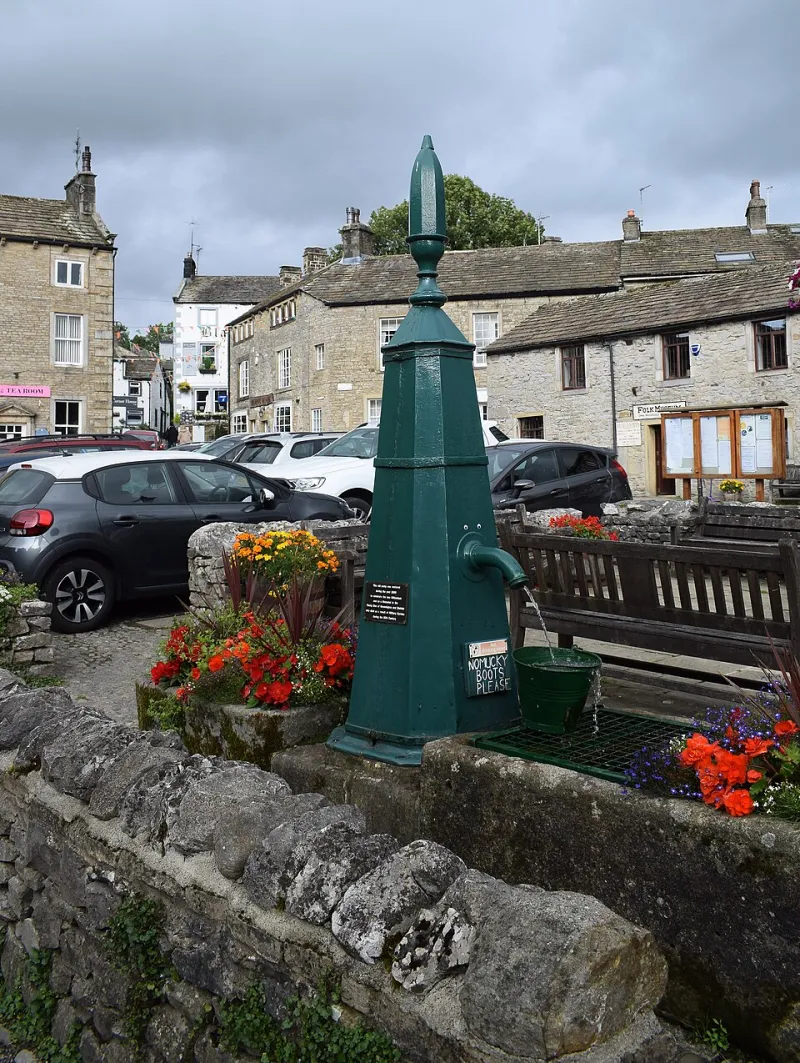
Photo: Bill Harrison , CC BY-SA 2.0, via Wikimedia Commons
The best bike spaces are not always grand. Sometimes they are a scruffy rectangle behind the village hall, a strip of tarmac beside the recreation ground, or the corner of a school car park that spends most of its life hosting delivery vans and a lonely wheelie bin. With council budgets still tight and families looking for somewhere to ride away from main roads, that dead corner can do a lot more work. It does not need to become a full-blown pump track. A modest skills loop, a few marked lines and a couple of gentle features can give local riders a place to build confidence without heading into traffic.
Start with a walk, not a drawing
Before anyone sketches berms on the back of an envelope, walk the site with the people who know it. Invite the parish clerk, the caretaker, a local rider and perhaps a parent who already organises bike sessions. Look at drainage, access, parking, neighbours, trees and anything underground that a spade might find. Take photographs and rough measurements. A useful loop can fit into a surprisingly small space, but it needs to drain and it needs to be visible enough to feel safe.
Check who owns the land before you fall in love with it. The parish council may own the recreation ground, but the school, church or a local charity might hold the freehold. Ask who insures the site and whether a bike facility would need to be added to that cover. This is not the exciting bit, but it is the bit that lets the exciting bit happen.
The pitch: one page, no jargon
Parish council meetings have a rhythm. Long agendas, careful minutes, a tray of biscuits. Your job is to make the idea easy to say yes to. Bring a single side of A4 covering what you want to do, where, who it serves, roughly what it costs and how it will be looked after. Call it a village skills loop rather than an elite training facility. Talk about balance bikes, family rides, bike handling and using an unloved corner. Offer a trial period if that helps.
Bring allies. A parent, a teacher, a club rider and the person who already sweeps the car park will carry more weight than one enthusiastic voice. Ask for permission to consult and test the idea, not for a blank cheque. Neutral, practical language works better than grand visions. The aim is to make the councillors picture a busy Saturday morning, not a building site.
Insurance and permissions: the boring bits that let you ride
Public liability cover is the first question. If the land is council-owned, ask whether the existing policy covers a low-key bike space and what notification the insurer needs. If the site belongs to a school, safeguarding and site rules come into play. If trustees hold the land, check the charity’s objects and get their consent in writing. Permanent tarmac changes or fixed features can trigger planning questions, so start with movable markings, cones and chalk lines while you learn how the space is used.
Get written permission for any build day, even if it is just sweeping and painting. Ask the council’s risk team or insurer what they expect. Cycling UK, British Cycling and local authority leisure teams can point you towards sensible guidance. Do not rely on the fact that someone once saw a pump track in a neighbouring village. Every site is different, and a paper trail is cheaper than a dispute.
Funding with a jam jar and a builder’s merchant
The beauty of a small skills loop is that the numbers can stay humble. You may need a bit of stone, some drainage work, paint, signage, tools, gloves and a lot of tea. Local business may donate materials or machine time. A builders’ merchant might help with compacted stone or a plate compactor. The parish council may have a small grants pot, and ward councillors often know about tiny budgets that never make the headlines.
Ask for specific things rather than vague support. ‘Could you donate two tonnes of suitable stone?’ is easier to answer than ‘Can you sponsor a bike track?’ Keep a simple budget with a contingency. Avoid grants that demand huge match funding unless you have the volunteers to deliver them. Donated materials must be suitable; random rubble is not a gift, it is a future problem.
The build day: less Bob the Builder, more village fete with shovels
Plan the day with the landowner. Set a start and finish time, write a simple risk assessment, and organise gloves, eye protection and a first-aid kit. Give people clear jobs: clearing vegetation, sweeping, marking out, moving stone, painting lines, signing people in and keeping the tea urn going. Keep tasks short and obvious. Unless you have a contractor, leave serious tarmac laying alone. Hire a plate compactor if the surface needs it and make sure someone knows how to use it safely.
Invite young riders to test the lines once the tools are packed away. Take before and after photographs. Feed everyone. A build day that feels like a village fete with shovels will bring more people back for the maintenance rota than one that feels like a construction site with a clipboard.
A maintenance rota that survives February
Small spaces fail when nobody owns the little jobs. A monthly thirty-minute check is enough: litter, glass, loose stones, blocked drainage, worn paint and a wobbly sign. Rotate the check between families, the local club and anyone who uses the loop regularly. Keep a shared note or a clipboard in the village hall. Report bigger problems to the council rather than trying to fix everything yourselves.
An annual sweep and repaint keeps the space feeling cared for. You do not need a formal committee if an existing friends group or bike club will adopt the loop. What you do need is a named contact and a habit of looking. A skills loop that gets a quick brush and a fresh chalk line every few weeks will outlast one that was built with great enthusiasm and then forgotten.
Make it welcoming, not a race track
Signage should say share the space, look before you drop in and keep it friendly. A village skills loop is not a training ground for downhill champions. It is a place where a five-year-old on a balance bike, a teenager on a BMX and a returning rider on a sensible hybrid can all find a few metres of confidence. Keep it free. Use chalk for informal sessions. Encourage short turns rather than hogging the best line.
A dead corner of tarmac will not solve every cycling problem in Britain. But it can turn a village car park into a place where bikes are normal, visible and welcome. Start with one patch, one meeting and one Saturday morning. The parish pump track may never appear on a map, but the riders who learn there will know exactly where it is.