The Café-Table Detective: How a Shared Puncture Log Sharpens Your Club Runs
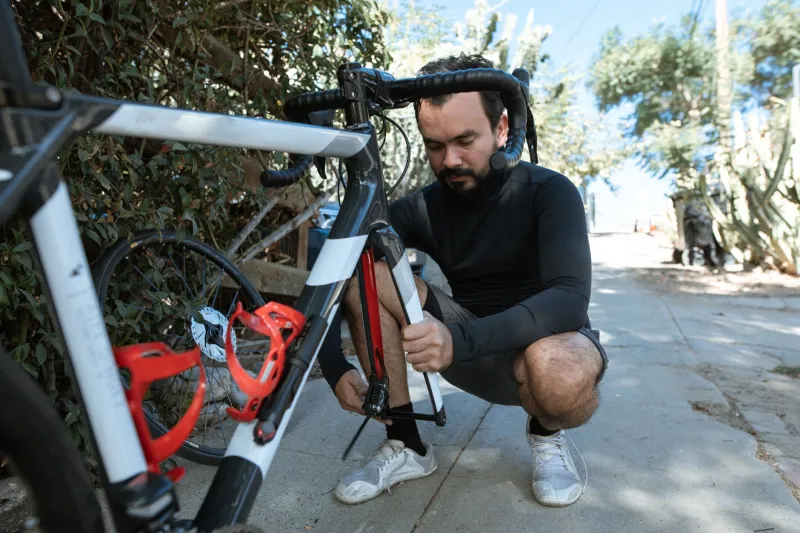
Every club has one: the rider who rolls into the café with black fingertips and a tale about a lane that has it in for them. The story usually ends with a flap of the tube, a shrug, and someone else saying they flatted in exactly the same spot last month. That is where the puncture map begins. Not as a moan sheet, but as a small, shared piece of workshop wisdom.
A puncture log is simply a record of where, when and why club riders flat. Done badly, it becomes a spreadsheet nobody opens. Done well, it becomes a route-planning tool, a tyre-pressure reality check and, occasionally, a polite but firm nudge to the council. The aim is not to shame anyone for running a worn rear tyre. It is to stop the club paying the same tax twice.
Why Bother Counting Flats?
One flat is bad luck. Six flats in the same half-mile lane over a month is data. A club that logs punctures starts to see patterns that individual riders miss. The rear wheel flats more often because it carries more weight. The same towpath stretch produces snakebite punctures after the council trims the hedges. A certain B-road shoulder fills with glass after Friday nights. None of that is obvious from a single roadside repair, but it is glaring from twenty.
There is also a workshop angle. Puncture logs separate road hazards from setup problems. If half the club is pinch-flatting on the same smooth lane, the issue is probably pressure, tyre width, load or riding style, not sabotage by the fairy. If the same rider keeps finding glass in the same tyre, it is worth checking the casing for embedded shards and the rim tape for a sharp edge. The log will not fix the bike, but it points the spanner in the right direction.
Keep the Log Stupidly Simple
A shared log only works if people actually use it. A note on the club WhatsApp, a shared spreadsheet linked from the club page, or a laminated sheet in the kit box at the workshop is enough. The best system is the one that takes less than two minutes at the café table.
Record the basics:
- Date and rough time of the puncture
- Route name and nearest lane, village or landmark
- Front or rear wheel
- Tyre make, model and width
- Pressure at the start of the ride, if known
- Tube or tubeless
- Cause, if you can find it: glass, thorn, pinch, pothole, hedge cutting, valve, mystery
- Weather and road condition
- Whether it was fixed roadside or abandoned
- A photo of the culprit and the hole
The last item matters more than it sounds. A photo of a glass-strewn cycle path with a location pin is useful. A photo of a tube with a neat snakebite is useful too. A vague memory of a lane near the big tree is not.
Read the Pattern, Not the Blame
It is tempting to turn the log into a league table of unlucky riders. Resist that. The useful patterns are seasonal and local. Late autumn and winter bring hedge cuttings, wet grit and the freeze-thaw pothole season. Summer brings glass on popular routes and flint on bridleways. Front wheels find the edge of potholes; rear wheels find the sharp thing you just rode over.
At the workshop bench, look for clusters. Repeated pinch flats suggest pressure too low for the rider, load or tyre volume. Repeated glass cuts suggest line choice, tyre wear or a local route that needs reporting. A sudden run of valve failures might be a batch of tubes, a sharp rim hole or a pump gauge that is telling lies. One rider with constant flats may need a new tyre, fresh rim tape and a proper look at the inside of the casing.
Workshop Wisdom Behind the Numbers
Tyre pressure is personal, but it is not magic. Start with the sidewall recommendation and adjust for load, surface and tyre width. Too little pressure invites pinch flats and dented rims. Too much can make the bike harsh, reduce grip and, on some tyres, make the casing more vulnerable. Wider tyres generally want less pressure than narrow ones. A rider who is heavier, carrying panniers or riding rough lanes needs more than a flyweight on smooth tarmac.
Check pressure before the ride, not halfway up a hill. Carry a spare tube, a couple of tyre levers, a boot or patch kit and, if you run tubeless, plugs that match your tyre. Tubeless will seal small thorns and tiny punctures, but it will not save a sidewall cut or a hole that needs a proper plug. At the club workshop night, make tyre inspection a habit: run a thumb inside the casing, check for embedded glass, look at the rim tape and replace tyres before the casing shows through.
The log helps here because it turns vague impressions into evidence. If five riders report the same lane producing thorn flats after hedge-cutting, the club can suggest a temporary route change. If three riders pinch-flat on a fast descent with narrow tyres, the next workshop session can talk about pressure and line choice without anyone feeling singled out.
From Café Table to Council Inbox
This is the gentle campaign bit. Councils do not respond well to a general complaint that a lane is awful. They respond better to a cluster of reports with dates, locations and photos. A puncture log gives the club exactly that. When the same stretch of cycle path collects glass three weeks running, or a pothole starts eating front wheels, the club can report it through the council's highways form or a service like FixMyStreet.
Keep the tone evidence-led, not furious. A short note saying our club has logged eight punctures on this lane since October, with photos and map pins, is more useful than a rant. Share the findings with neighbouring clubs and the local bike co-op. Often they have reports of their own, and a joint submission carries more weight than a single rider's bad morning.
Then use the map for route choices. If a lane has a seasonal glass problem, note it on the club route sheet. If a pothole cluster appears after a cold snap, move the winter route until it is fixed. The puncture log is not the puncture police. It is a quiet, practical way to make the club's rides smoother and the local lanes safer.
Make It a Habit, Not a Hobby
Two minutes at the café table is enough. A monthly review over coffee is plenty. Share the findings, update the route notes and thank the person who bothered to photograph the glass. At Bee Spoked, we like a log that lives where the ride ends: among the crockery, the crumbs and the muddy gloves.
The point is not to eliminate every flat. That is a fantasy sold by adverts. The point is to stop paying the same tax twice, to tune the bikes with evidence rather than folklore, and to turn a run of bad luck into smarter route choices. The puncture map will not mend the tube for you. But it might just save the next rider the same roadside kneel.