The Shed Door Openers: Starting a Neighbourhood Bike-Fix Night
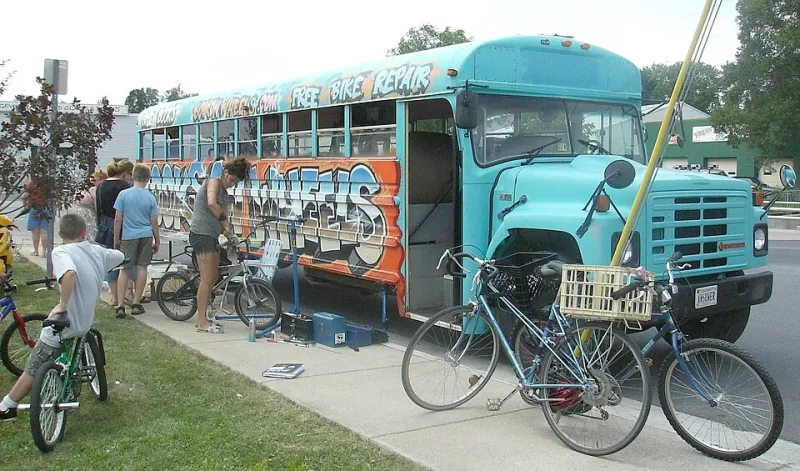
Photo: Artaxerxes, CC BY-SA 3.0, via Wikimedia Commons
There is a particular kind of magic in a pub back room that smells faintly of chain oil and old carpet. Someone is holding a wheel while another person explains why the brakes squeal. The kettle is on. Nobody is racing. This is the neighbourhood bike-fix night, and it might be the most useful thing your local cycling scene does this winter.
Group rides are brilliant. They get people out, they build fitness and they create the social glue that keeps bikes in people's lives. But a group ride assumes the bike already works. A fix night assumes nothing. It says: bring the bike that has been hanging in the shed since October, and we will help you get it rolling again. That is a different kind of welcome, and for a lot of people it is the one they need first.
Start with a workstand, not a manifesto
The best fix nights begin small and slightly improvised. Find a venue with good light, power, a hard floor and access to water. A church hall, community centre, pub back room or a generous double garage all work. Pubs are great because they already have tables, toilets and tea, but check that the landlord is happy with oil, wet bikes and a bit of noise. Church halls often have insurance and a booking system, which can make the boring bits easier.
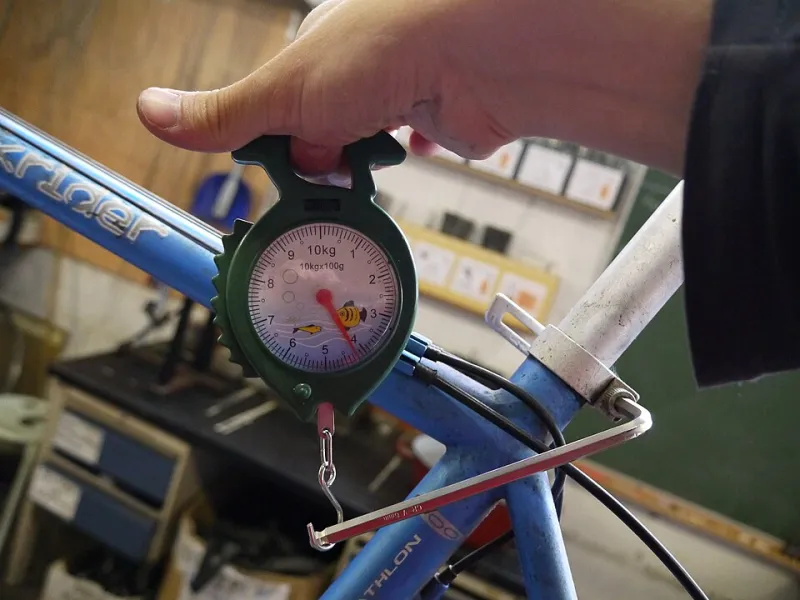
You do not need a full workshop. You need one or two sturdy workstands, a track pump, a good set of hex keys, a torque wrench, tyre levers, patch kits and a box of rags. Add a chain tool, cassette tool, cable cutters and a bottom bracket tool if someone in the group already owns them. The point is not to replicate a bike shop. The point is to pool the tools people have and the knowledge people are willing to share.
The tool pool that earns its keep
A shared tool kit works best when it is honest about what it is for. Label everything. Keep an inventory sheet inside the box. Have a simple sign-out book for the expensive bits, even if it is just a notebook and a pen. Consumables such as patches, inner tubes, cables and brake pads can be bought from a small float or covered by donations. Do not let the kit become a lending library for every obscure standard in Christendom. Keep the core tools, a few useful specials and a bodge box of bolts, washers and cable ends.
Ask regulars to bring their own bikes and their own tools if they have them. That shares the load and makes the night feel less like a service and more like a swap. Someone will have a bleed kit. Someone else will have a spoke key and a surprising amount of patience. Let those people lead sessions, but do not let the night become a private club for alpha mechanics.
Money, insurance and the boring bits
Public liability insurance is the big one. Venue insurance often covers the building, not your activity, so do not assume. Ask a local bike co-op, cycling organisation or council community team for pointers. Keep a first-aid kit and an accident book. Have a clear rule that nobody works on a bike they are not competent to touch. If a hydraulic brake needs bleeding or a carbon steerer needs cutting, that is a job for someone who knows what they are doing, not a lively group experiment.
If under-18s are coming, think carefully about safeguarding. Parental consent, two adults present and a simple written policy are sensible starting points. Whether you need DBS checks depends on the activity and the setting, so take advice from your local safeguarding lead or council rather than guessing. Keep the atmosphere open and observable. Nobody should be alone in a back room with a young person, and nobody should feel awkward about asking for help.
Money can be simple. A donation tin for consumables, a small charge for hall hire if you need it, and a clear statement that this is a community session rather than a business. Do not promise to fix everything. Promise to help people learn, and to point them towards a proper shop when a job is beyond the night's scope.
Keep it welcoming, not cliquey
Beginners can smell a clique from the car park. The fix night has to work for the person who does not know what a quick link is. That means a greeter at the door, a sign-in sheet, name stickers and a cup of tea before anyone starts talking about bottom bracket standards. It means teaching by showing rather than taking the tools out of someone's hands. It means one job per person, done properly, rather than three bikes half-stripped on the floor.
A simple triage system helps. Ask what the bike is doing, what the rider wants it to do, and what they have already tried. Then pick the smallest safe job that gets them closer to riding. A gear index, a brake pad check, a puncture repair or a squeaky cleat can be a whole evening's win. Put a hard stop on the end time, too. Good community events respect people's bedtime.
The shared workstand effect
A group ride gets people out for a few hours. A fix night gives them the confidence to go out on their own. That is the quiet argument for the shared workstand. It keeps bikes out of landfills, keeps riders mobile and turns a lonely shed job into a social occasion. It also creates the kind of local knowledge that no app can replace: who has a torque wrench, who can true a wheel, who knows the quiet lane to the next village.
So open the shed door. Put the kettle on. Label the toolbox. The first night might be four people and a squeaky hybrid. That is enough. The hive gets built one bee at a time.