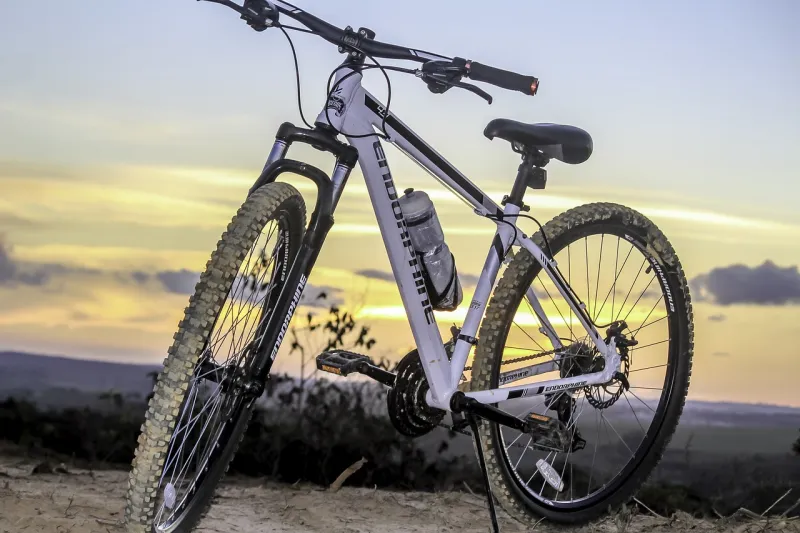
The Half-Turn That Costs a Frame: Getting Serious About Torque
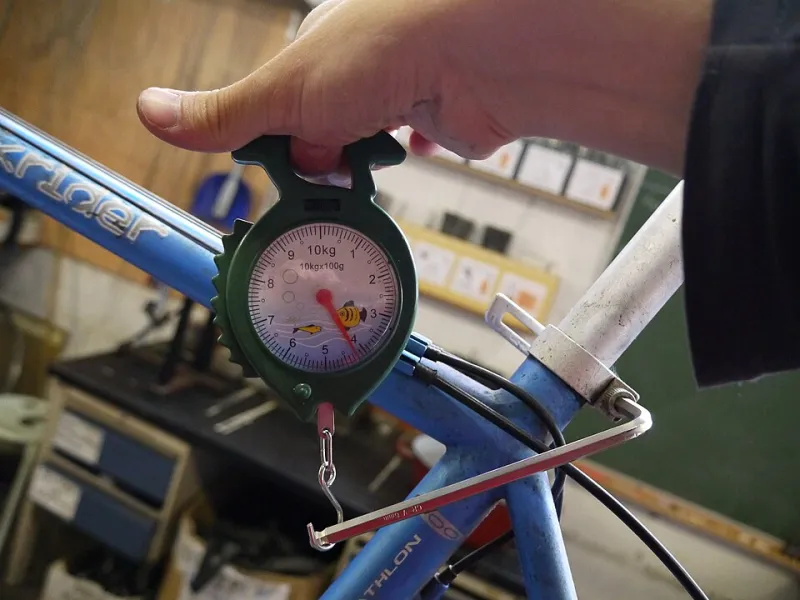
Photo: BohwaZ, FAL, via Wikimedia Commons
Most workshop disasters do not begin with a bang. They begin with a cheerful extra half-turn. You are crouched by the bike, the bolt is nearly tight, and a voice in your head says: just nip it up. That voice has cost more frames, seatposts and stem faceplates than any pothole.
Torque is a number, not a feeling
Torque is a measured twisting force, expressed in newton metres (Nm). It is not the same as tightness. The clamp force a bolt generates depends on thread friction, lubrication and condition. A dry steel bolt and a greased titanium bolt tightened to the same Nm can clamp very differently. This is why 'feel' is a poor substitute: your wrist is not calibrated, and it gets braver after a cup of tea.
Where 'just nipped up' goes wrong
Over-tightening is the headline act. Carbon fibre is strong in the direction it was laid up and fragile under crushing loads. A seatpost clamp or stem faceplate tightened by feel can crush a carbon tube long before anything visibly cracks. Alloy threads strip, bearing preload goes tight, washers deform, and hydraulic hose fittings weep. Under-tightening is quieter but no cheaper: a slipping seatpost, a creaking stem, a bolt that walks out on a descent. Both failures start with the same habit — guessing.
Picking a wrench that suits bikes
For most home workshops, a 1/4-inch drive click-type wrench covering roughly 2–24 Nm is the sweet spot. It will handle stem bolts, seatpost clamps, bottle cages, rotor bolts and most shifter clamps. A 3/8-inch wrench up to 60 Nm is useful for crank pinch bolts and thru-axles, but a big automotive wrench is too coarse for carbon. Buy one with a calibration certificate if you can, treat it kindly, and store it wound back to its lowest setting. Click wrenches do drift; a yearly check against a known reference is cheap insurance. Use a smooth, steady pull, stop at the click, and never use the torque wrench to undo a stubborn bolt.
What common fasteners actually want
Treat these as typical starting points, not gospel. The component maker's printed spec always wins, and it is often stamped on the part or hidden in the manual you did not read.
- Stem faceplate bolts: 5–6 Nm, in a cross pattern, gradually.
- Stem steerer clamp: 5–6 Nm.
- Seatpost clamp: 5–7 Nm, lower for carbon.
- Saddle rail clamp: 5–7 Nm.
- Bottle cage bolts: 2–3 Nm. Yes, really.
- Disc rotor bolts: 6 Nm with threadlocker.
- Thru-axles: 10–15 Nm.
- Crank pinch bolts: 12–15 Nm.
Carbon contact points are where paste matters. Carbon assembly paste adds friction so the clamp can hold at a lower torque. It is not grease. Do not smear it on threads or bearings, and do not grease a carbon seatpost in a carbon frame unless the maker says so. For metal threads, a little grease or anti-seize keeps corrosion at bay — especially on a UK winter bike that sees salt.
Making it a habit, not a ritual
The trick is to make the wrench the first thing you reach for, not the last. Keep it on the bench with the right bit already fitted. Write the key specs in your phone notes. After the first ride on a freshly adjusted bike, check the same bolts again — settling is normal, and a second check is not paranoia. At club workshop nights, a decent torque wrench is one of the most borrowed tools in the room, and that is a good thing. A £40 wrench is cheaper than one ruined carbon seatpost, let alone a frame repair.
The phrase 'just nipped up' is not a sign of experience. It is a small act of optimism. The torque wrench is how you replace optimism with a number, and a number is what lets you ride away confident that the bike is holding together for the right reasons. Fettle with care, and the bike will repay you with silence, security and fewer expensive surprises.